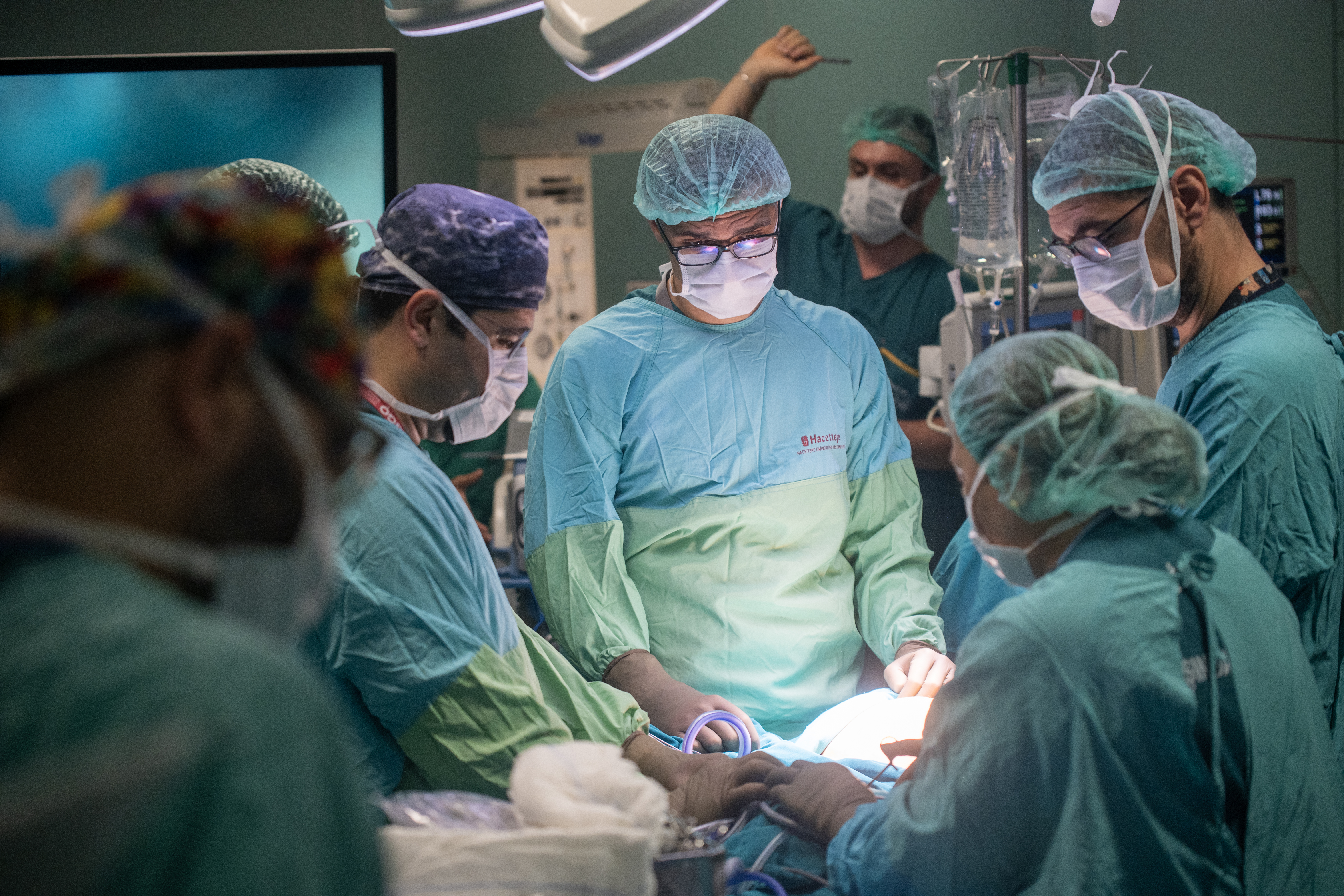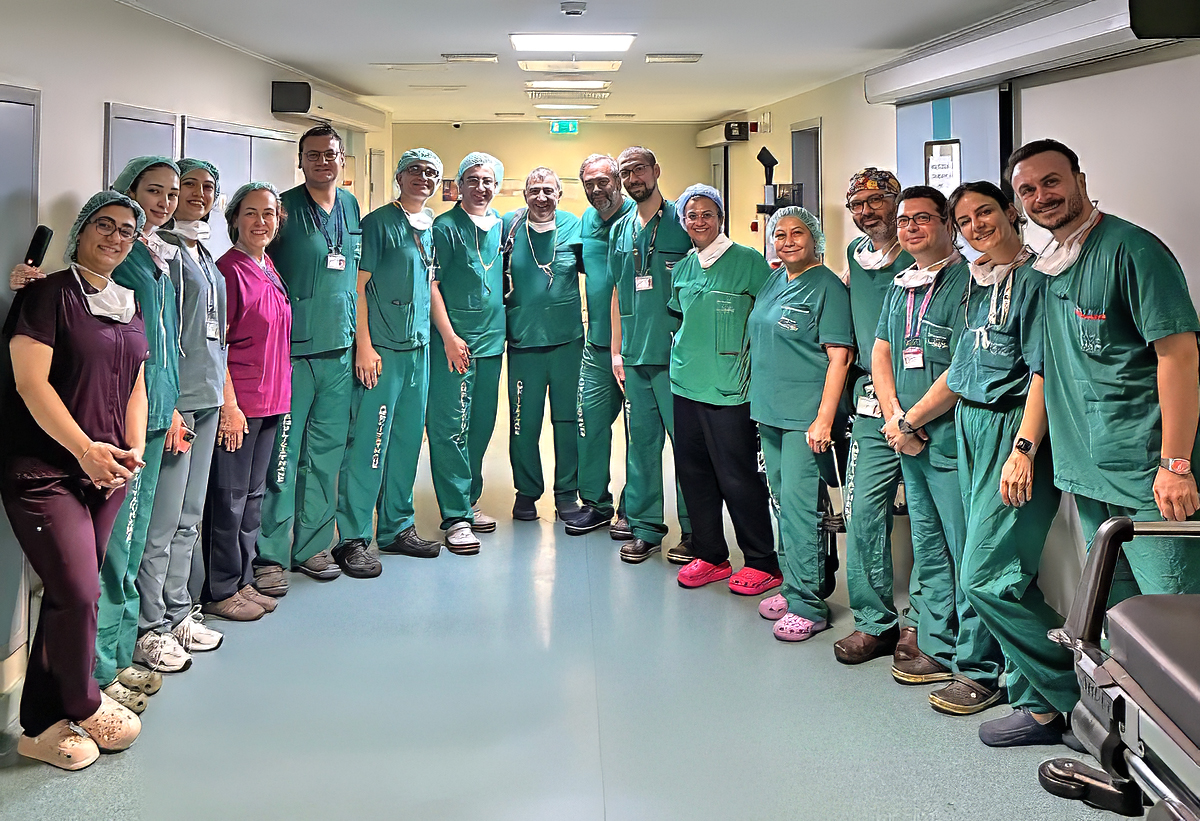
Hacettepe University has achieved a major milestone by successfully repairing a 26-week-old fetus's congenital spinal defect using a fetoscopic (minimally invasive) technique, marking the first procedure of its kind in Türkiye. Following two successful surgeries—one open and one fetoscopic—performed within 24 hours by a multidisciplinary team of approximately 30 specialists, Hacettepe became the first center in the country to offer both treatment options for fetal neural tube defects.
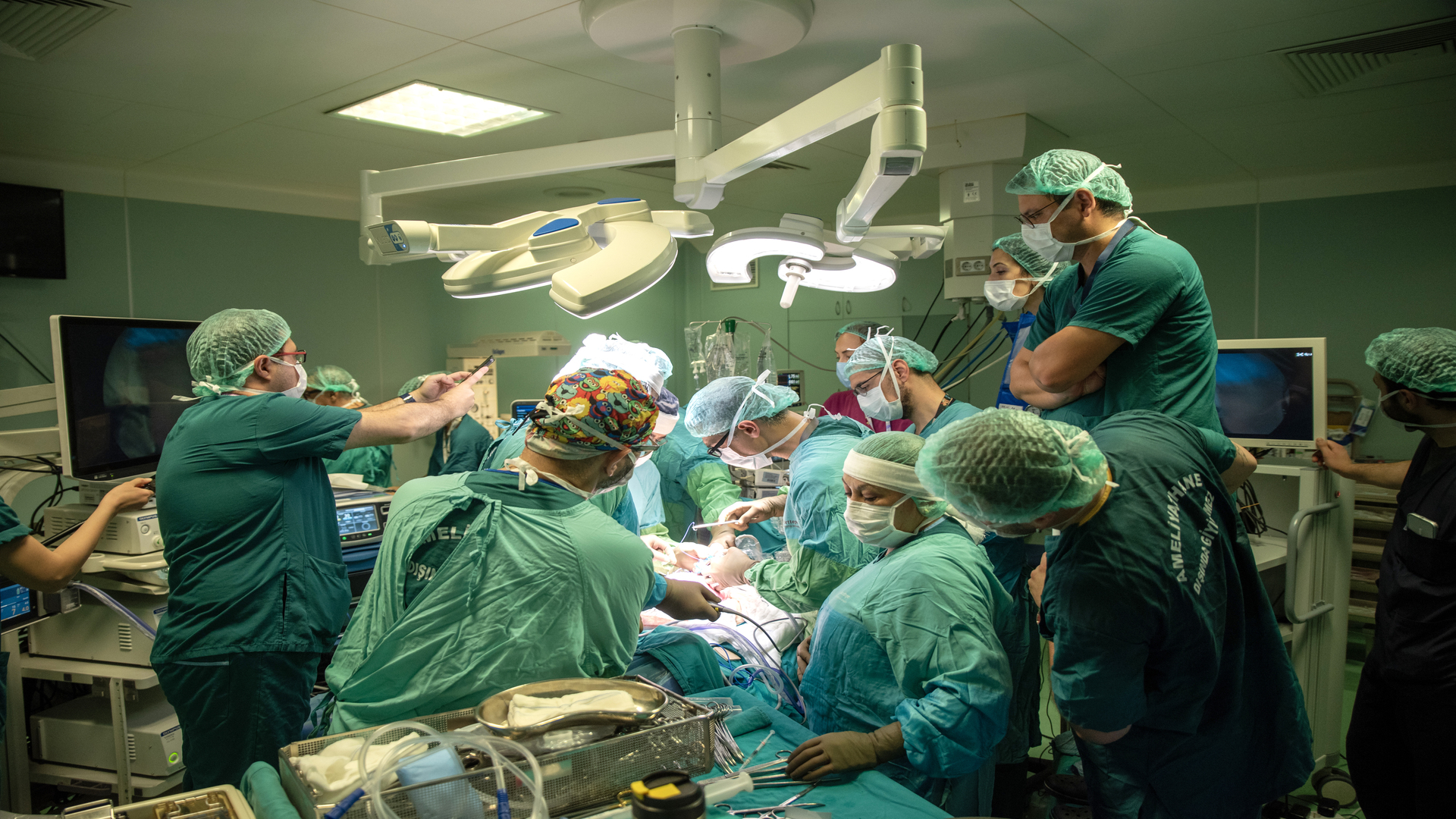
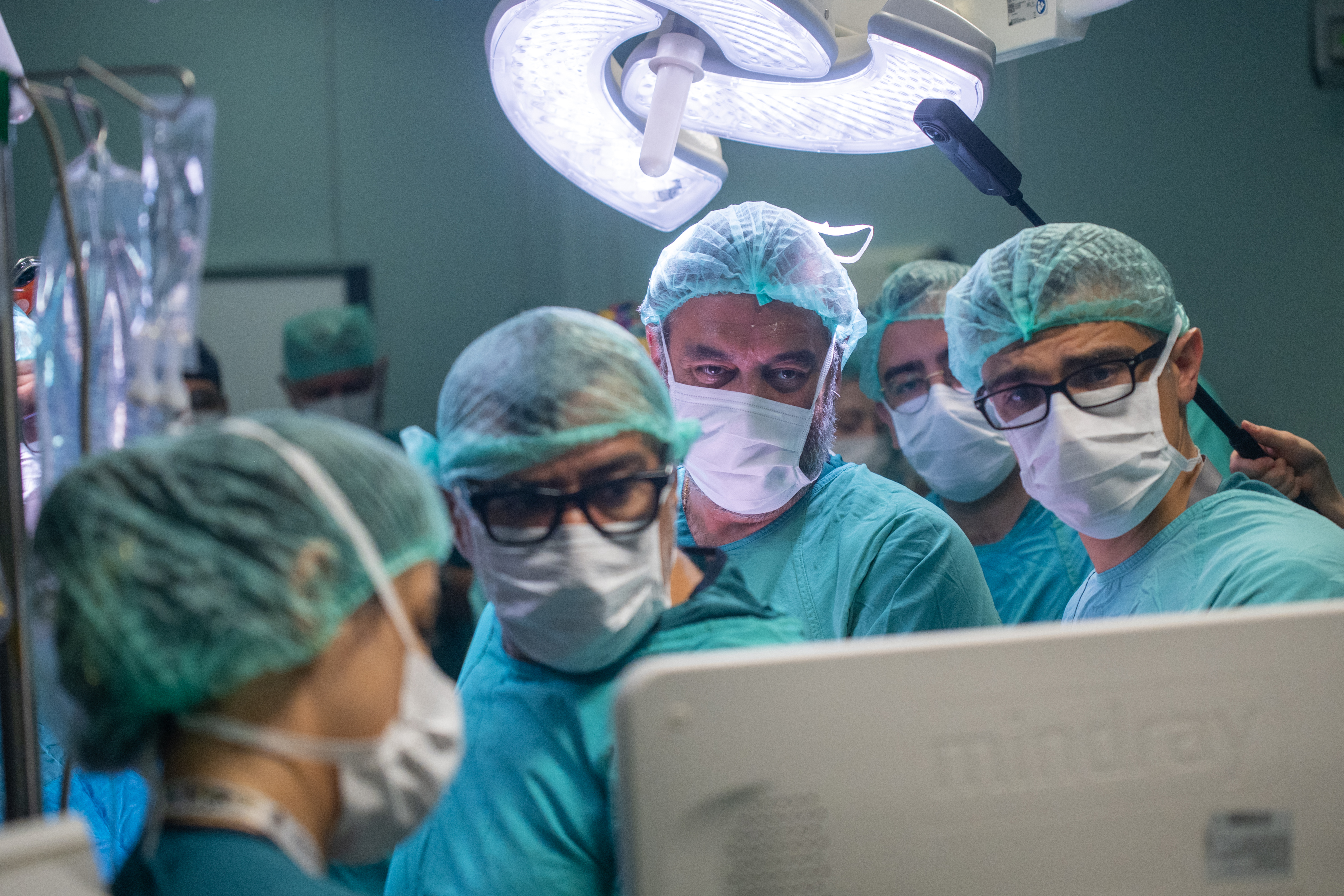
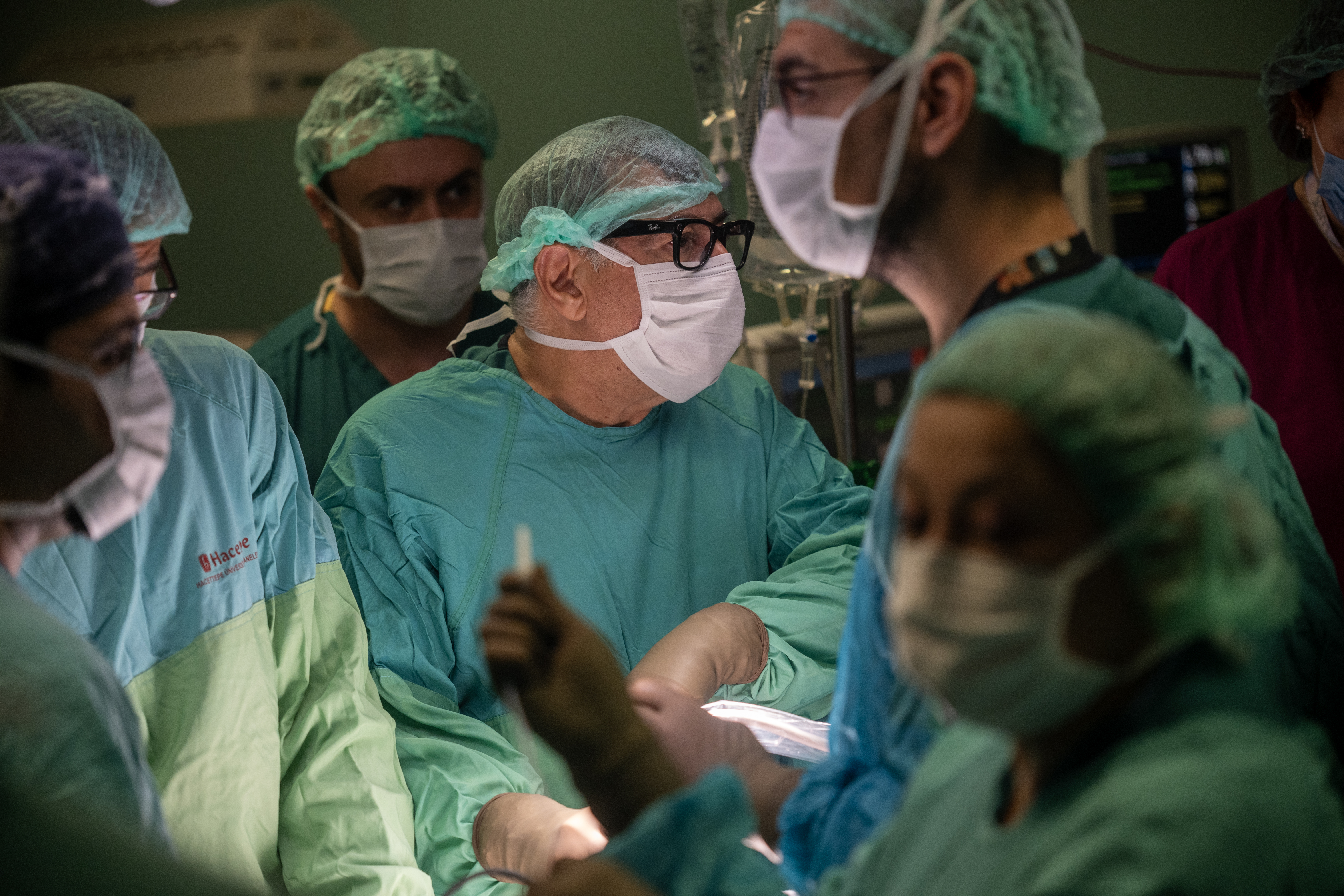
Sebiha Çakmak was referred to the Hacettepe University Department of Obstetrics and Gynecology, Division of Perinatology after her baby was diagnosed with a congenital anomaly affecting brain and spinal cord development during the 22nd week of pregnancy. Following comprehensive evaluations, the medical team decided to perform fetal surgery at the 26th week of gestation. On July 14, a multidisciplinary team of nearly 30 specialists—including Prof. Dr. Özgür Deren, Head of the Division of Perinatology; Assoc. Prof. Dr. Erdem Fadıloğlu; Prof. Dr. Ahmet İlkay Işıkay from the Department of Neurosurgery; Prof. Dr. Banu Kılıçaslan from the Department of Anesthesiology and Reanimation; and endoscopic surgeon Assoc. Prof. Dr. Derman Başaran—performed a 6.5-hour operation with the international support of world-renowned fetal surgeon Prof. Dr. Alireza Shamshirsaz.
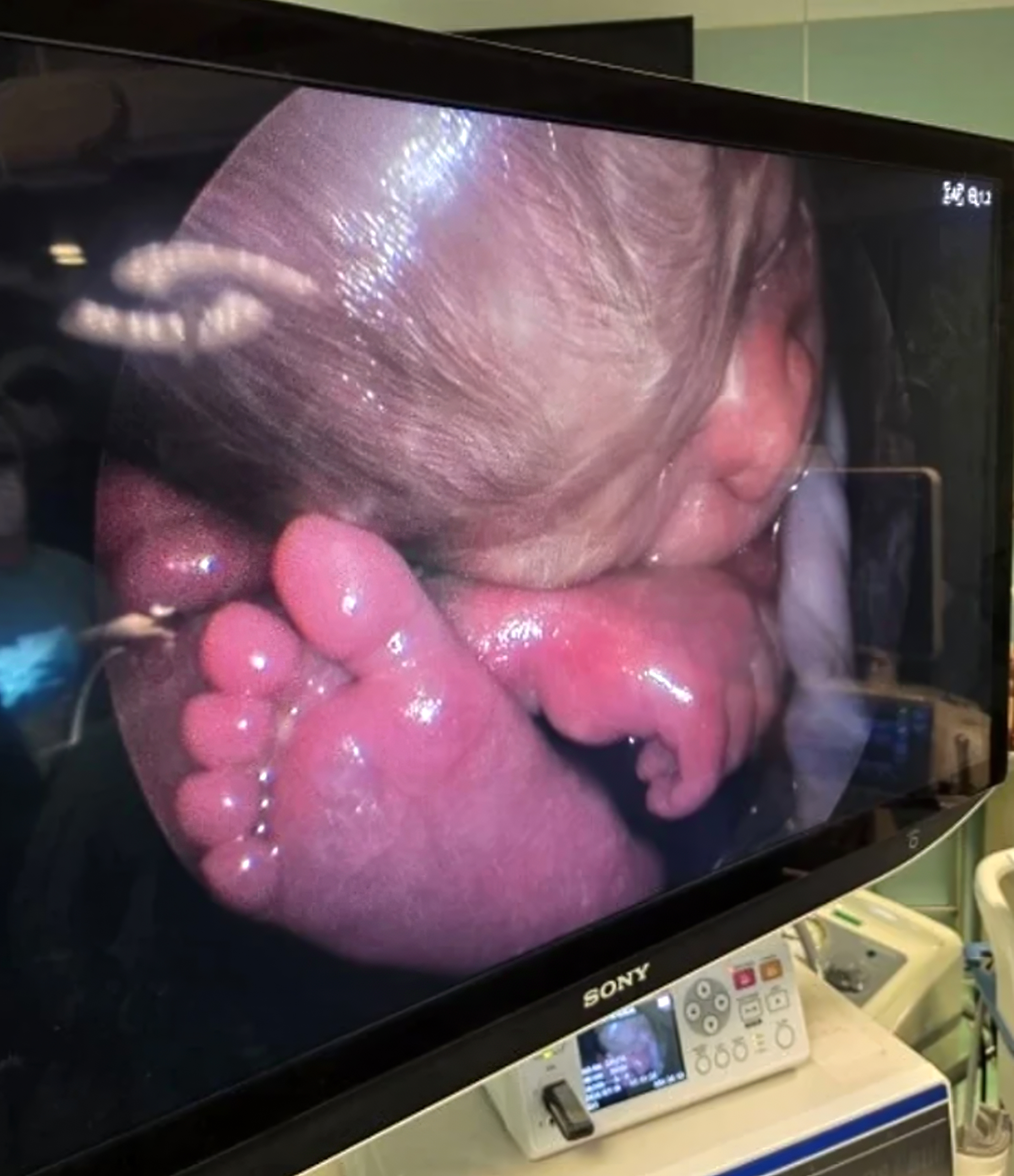
During the procedure, the congenital opening in the fetus's spinal cord was successfully repaired by entering the uterus using a fetoscopic (minimally invasive) technique. Recognized as Türkiye's first fetoscopic fetal spinal repair and the country's first case performed using this technique, the operation was carried out with a camera and millimetric surgical instruments introduced into the uterus.
On July 13, another fetus diagnosed with a neural tube defect underwent surgical repair using the open fetal surgery technique at Hacettepe University Adult Hospital. This highly specialized procedure is performed in only a limited number of centers worldwide and in Türkiye. With these two successful operations completed within 24 hours, Hacettepe University became the first center in Türkiye capable of offering both open and fetoscopic surgical treatment options for fetal neural tube defects.
“For us, It truly felt like a miracle”
Sebiha Çakmak said she was expecting her seventh child and that none of her previous pregnancies had involved such an anomaly. "The minimally invasive surgery was performed on July 14 while my baby was still in the womb. It truly felt like a miracle. We were frightened and excited, but thanks to our doctors we overcame our fears. Thank God, both my baby and I are doing well. Since this operation was performed for the first time in Türkiye, it has been nothing short of a miracle for our family. At first, many people told me to terminate the pregnancy because they said they did not want a child with disabilities. But I thanked God and refused. I said I would continue this pregnancy until the end. Thankfully, my baby is doing well. We're expecting a boy, and we're thinking of naming him Umut, which means 'Hope.' He has truly become our hope. I can feel him moving, and every movement feels like a miracle. Now we are simply looking forward to welcoming him into the world. May God bless all of our doctors. You should never lose hope," she said.
Two Successful Operations in 24 Hours
Prof. Dr. Özgür Deren, Head of Hacettepe University's Division of Perinatology, said the team successfully treated two patients using both open and minimally invasive techniques within 24 hours. "This required an extensive multidisciplinary effort and close coordination among neurosurgery, anesthesiology, perinatology, endoscopic surgery, and many other specialties. Our team performed Türkiye's first fetoscopic fetal surgery, and we are extremely proud of this achievement. Approximately 30 professionals took part in these operations. We now have the experience to offer both minimally invasive and open surgical options to future patients with this condition. Fetoscopic surgery requires only a very small incision because it is performed with a camera. We would also like to thank our Rector, Prof. Dr. Mehmet Cahit Güran, along with the university and hospital administration for their invaluable support throughout this process."
This Technique May Help Children Walk Independently
Assoc. Prof. Dr. Erdem Fadıloğlu from the Department of Obstetrics and Gynecology stated that these procedures enable mothers to have vaginal deliveries both in the current pregnancy and in future pregnancies, while also increasing the likelihood that affected children will be able to walk independently. "These are among the most significant advantages of this surgical technique. These babies are born with a defect that develops early in pregnancy. Our goal is to prevent the progressive damage this defect can cause to the baby's nervous system as the pregnancy continues. That is the primary purpose of fetal surgery."
Early Intervention Can Reduce Future Neurological Complications
Prof. Dr. Ahmet İlkay Işıkay from the Department of Neurosurgery explained the neurological consequences of the condition. "These children are born with a closure defect in the lower part of the spine caused by a developmental problem early in pregnancy. Although neurological outcomes vary considerably, untreated patients commonly experience weakness in the legs, bladder and bowel dysfunction beginning in childhood, and hydrocephalus, or fluid accumulation in the brain. By repairing the defect before birth, we both prevent continued exposure to amniotic fluid and stop the leakage of cerebrospinal fluid from the fetus, thereby reducing complications related to hydrocephalus. This was the first fully fetoscopic fetal surgery performed in Türkiye. I am very proud to have been part of this remarkable team effort. From now on, this fully fetoscopic fetal surgery will represent an important treatment option for babies diagnosed with neural tube defects and their families."
One of the Most Remarkable Aspects Was That the Baby Also Received Anesthesia
Prof. Dr. Banu Kılıçaslan from the Department of Anesthesiology and Reanimation noted that one of the most remarkable aspects of the procedure was administering anesthesia to both the mother and the fetus. "During the operation, we also administer anesthesia to the fetus to ensure that the baby remains still and pain-free. Research has shown that fetuses at this stage of development are capable of perceiving pain, so we tailor our anesthesia accordingly. In other words, we simultaneously administer anesthesia to two different patients. This makes these procedures extremely complex and requires meticulous preparation in advance."