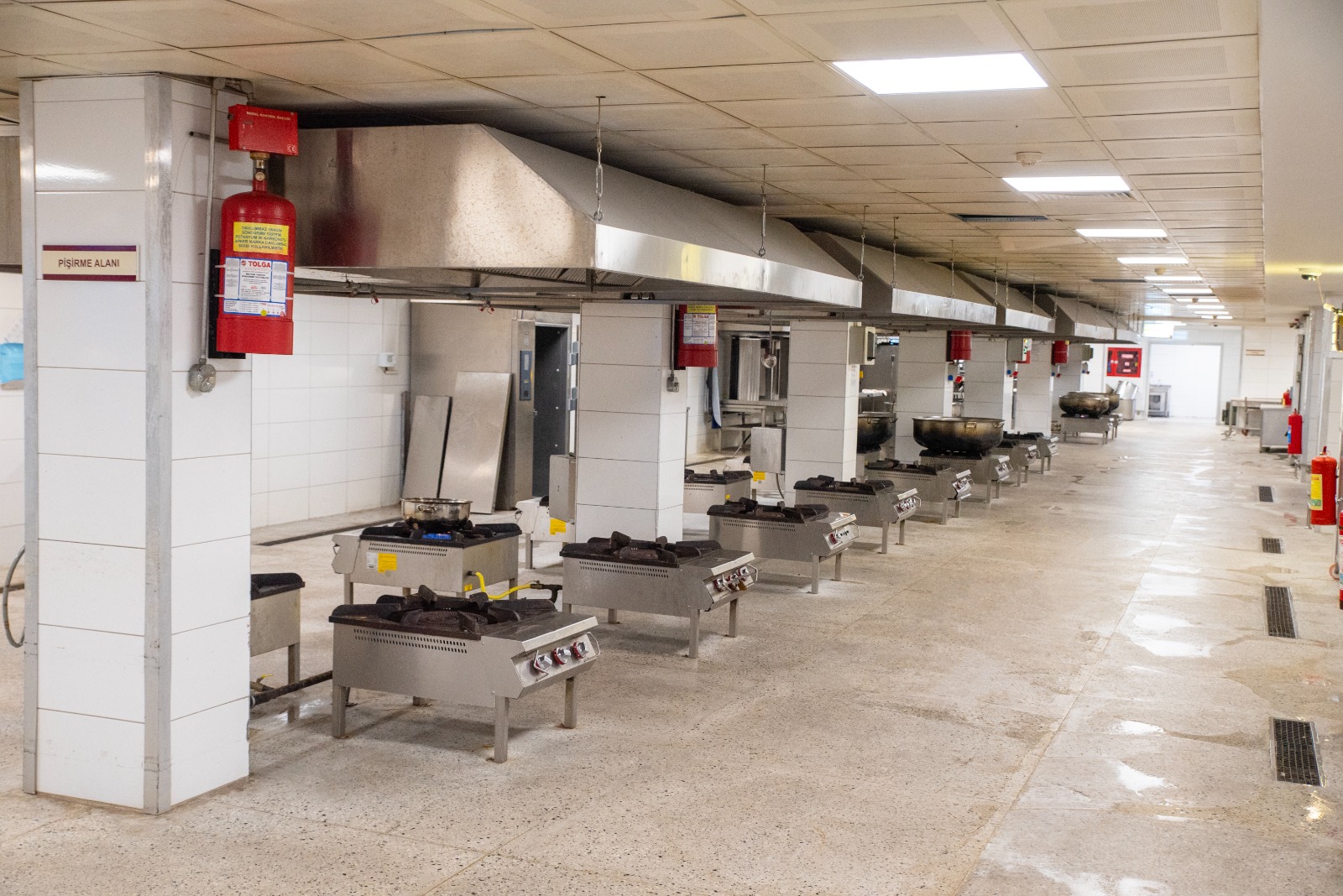
Comprehensive renovation and modernization works were carried out in the student dining halls and kitchen areas at Hacettepe University’s Sıhhiye and Beytepe campuses in order to ensure that food services are maintained under healthier, more hygienic, safer, and higher-quality conditions.
Within the scope of the works, significant improvements covering all service processes in the kitchen, storage, dishwashing, and dining hall areas were implemented. With the renovated areas, it was aimed to ensure that all processes, from the acceptance of food to its preparation, from cooking to storage and serving, are carried out in a more organized and controlled manner.
Kitchen areas were reorganized
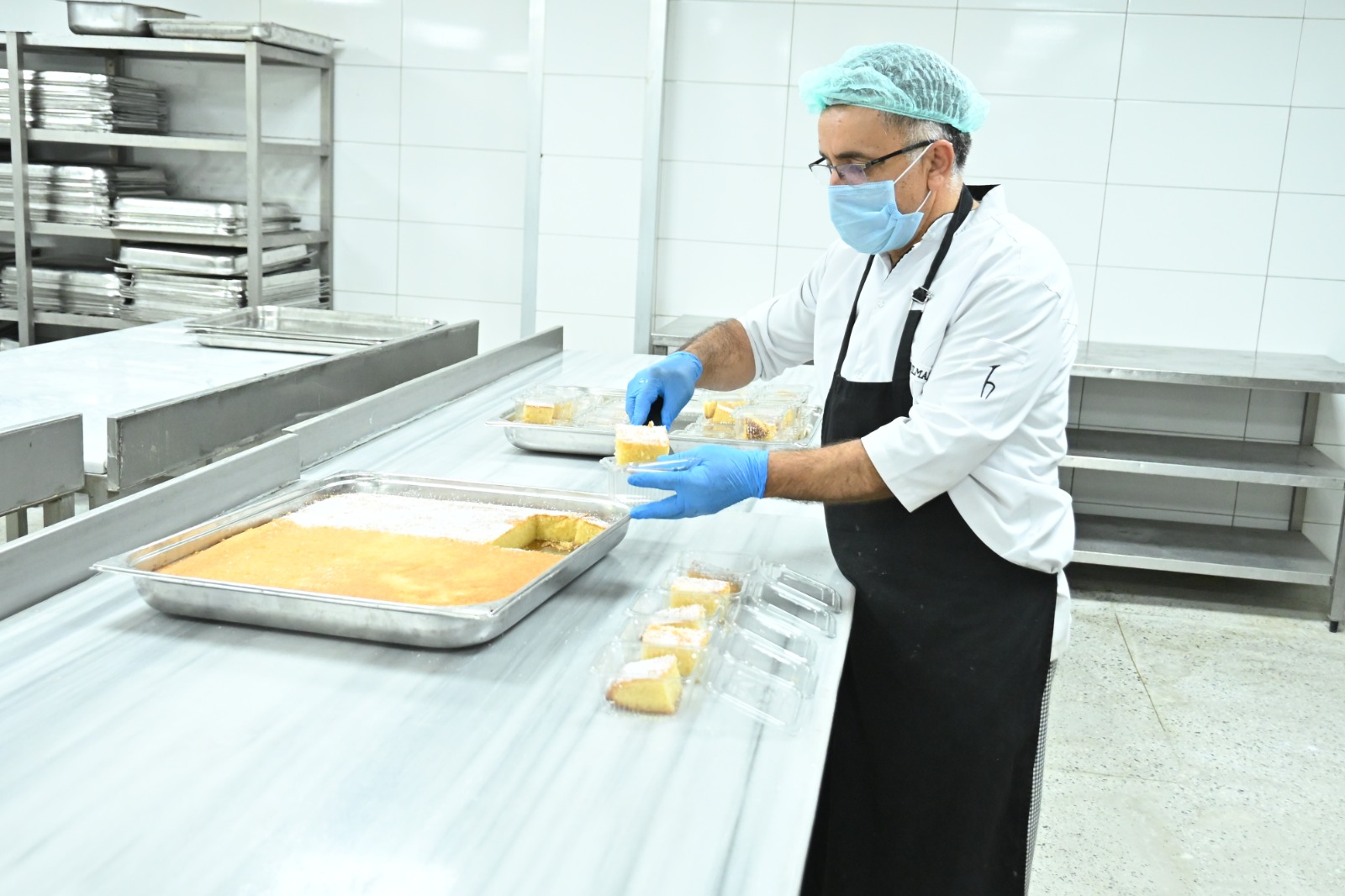
Before the renovation, the meat, pastry, vegetable preparation, and cooking sections, which were largely located within the same area, were reorganized; vegetable preparation, preliminary preparation, breakfast preparation, pastry preparation, meat preparation, and cooking areas were separated from each other. With this arrangement, production processes were carried out in a more controlled manner and the risk of cross-contamination was reduced.
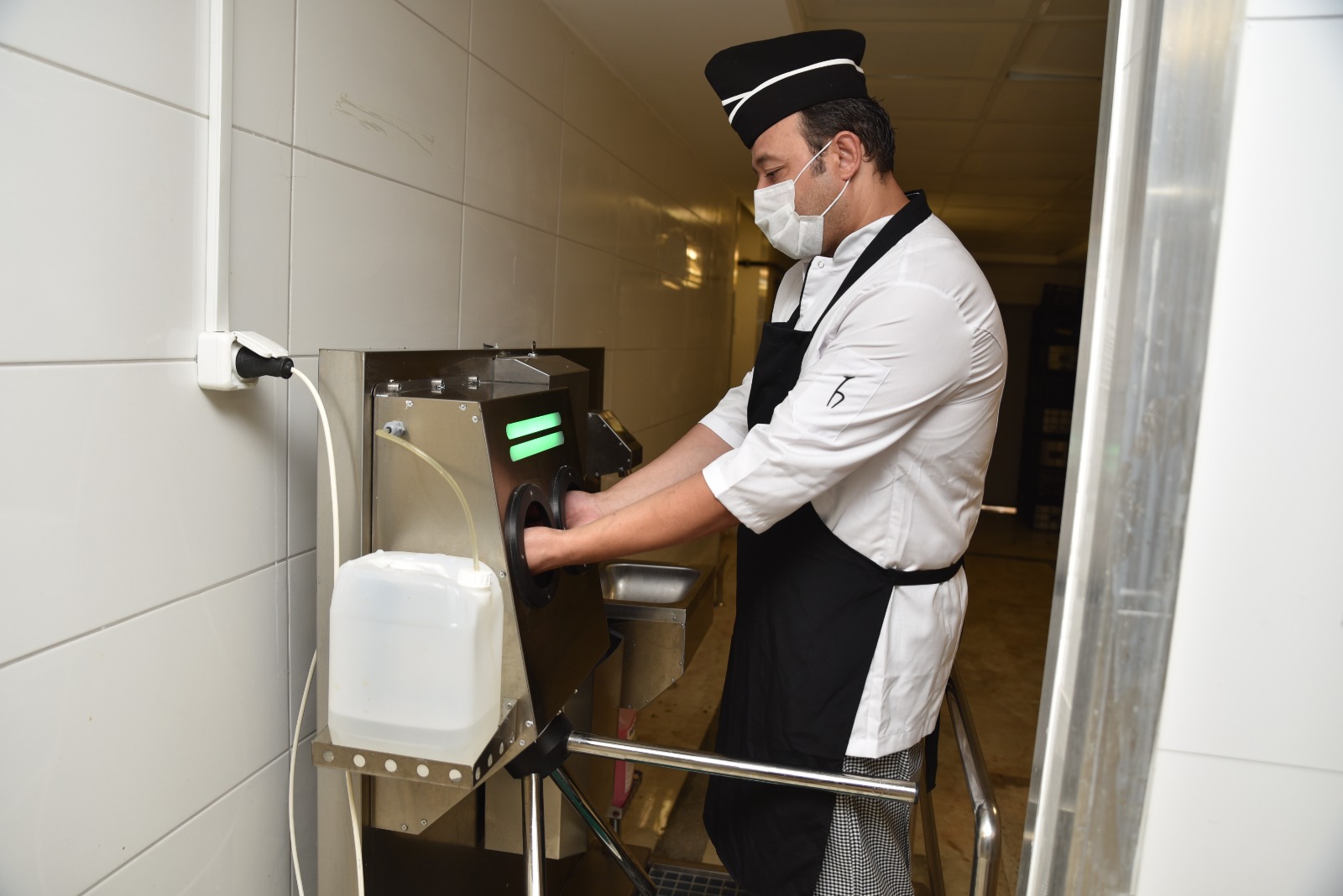
Kitchen floors were renovated with non-slip coatings, while ventilation and technical systems were also modernized. Sensor-operated door systems were installed at many points in the kitchen areas. In addition, ID card reader systems were installed at the entry and exit points of kitchen personnel at the Beytepe campus. The camera systems throughout the dining halls were also renewed.
Within the scope of the renovation works, the storage conditions of the dining halls where needed were also significantly improved. Separate storage areas were created for vegetables, meat, dairy products, desserts, and other product groups, ensuring that raw, processed, and cooked products were stored under appropriate conditions.
With the new arrangement, which also includes stacking and storage areas, it contributed to carrying out cleaning processes more regularly and supporting the occupational safety of employees to a greater extent. It was ensured that personnel had ideal working conditions such as changing rooms, cleaning and shower areas, and rest areas.
Kitchen equipment was renewed
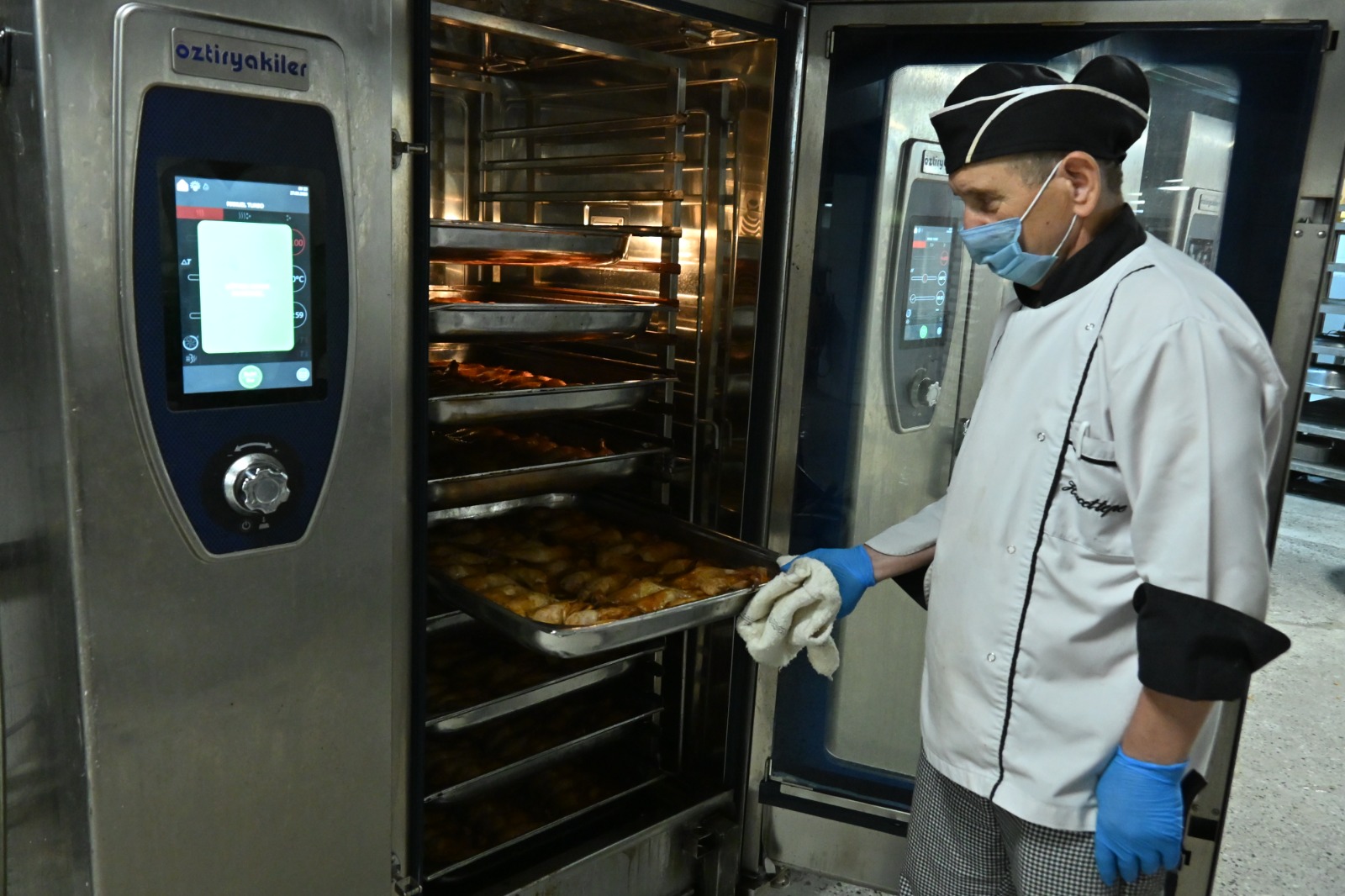
In order to strengthen the kitchen infrastructure, equipment that had completed its useful life was renewed, and new equipment was also put into service in line with needs. Within this scope, equipment such as ovens, floor cookers, tilting boiling kettles, döner cookers, dough kneading machines, and potato peeling machines were added to the kitchen.
With the new equipment, it was aimed to carry out food production processes more efficiently, reduce the workload of personnel, and improve production capacity.
Logistics and fire safety were strengthened
Logistical arrangements were also made to facilitate the operation of the dining halls. In the dining halls where there was a need, separate waste and freight elevators were installed to facilitate the transportation of waste generated in the dining areas.
Food elevators were also installed to ensure that meals are transported safely and efficiently to different floors.
As part of fire safety measures, fire alarm systems were installed in the dining halls at both campuses, in addition to the existing fire suppression systems in the kitchens.
A transformation beginning at the food preparation stage
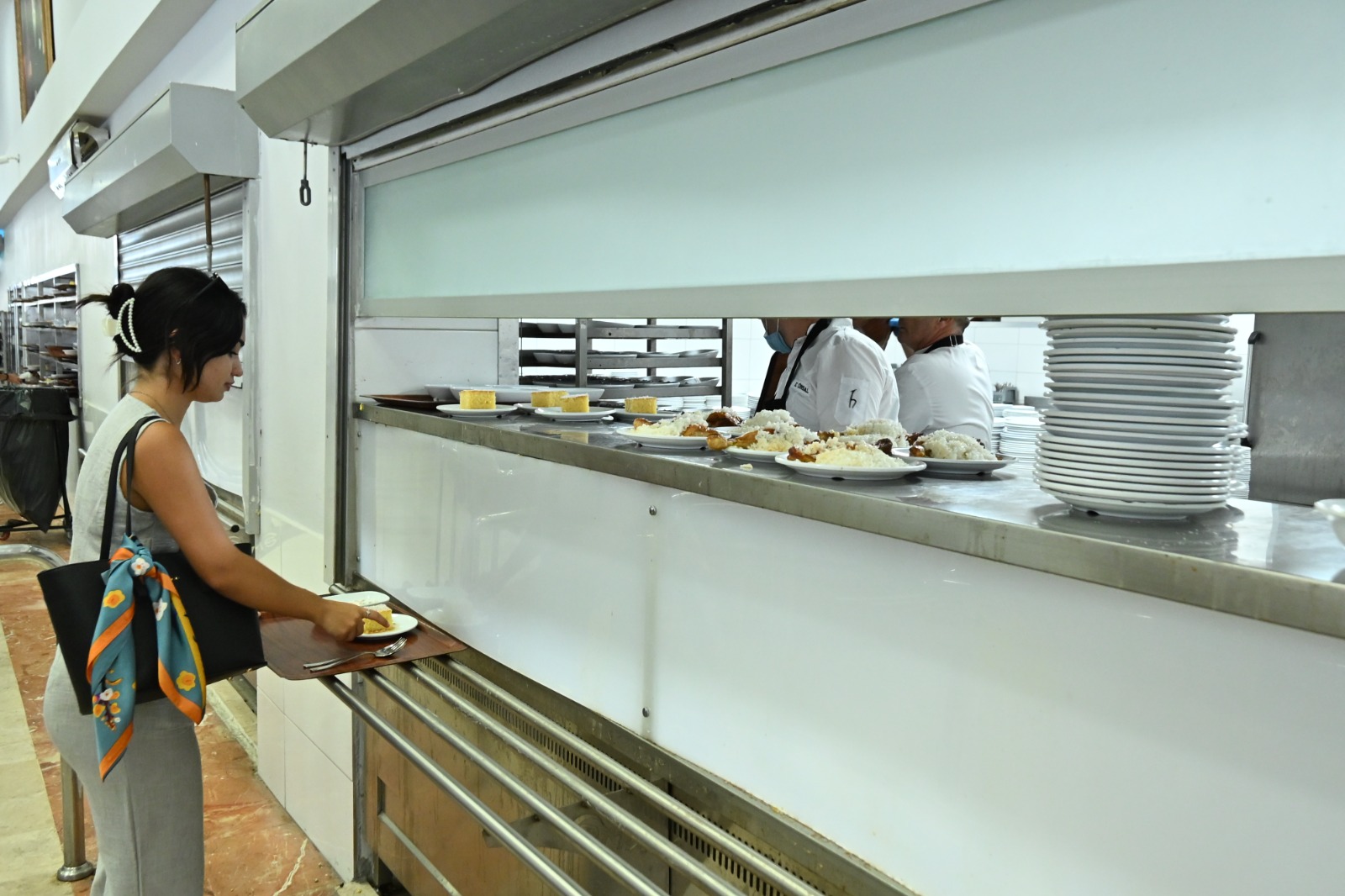
The comprehensive renovation has brought about not only a physical transformation in the university’s dining facilities but also the establishment of a modern and functional infrastructure covering the entire process, from food preparation to its presentation to students and staff.
With renovated kitchen and storage areas, modern equipment, improved technical systems, and strengthened hygiene practices, the project contributes to providing students and staff with safer, more reliable, and higher-quality food services while also creating a safer and healthier working environment for kitchen personnel.