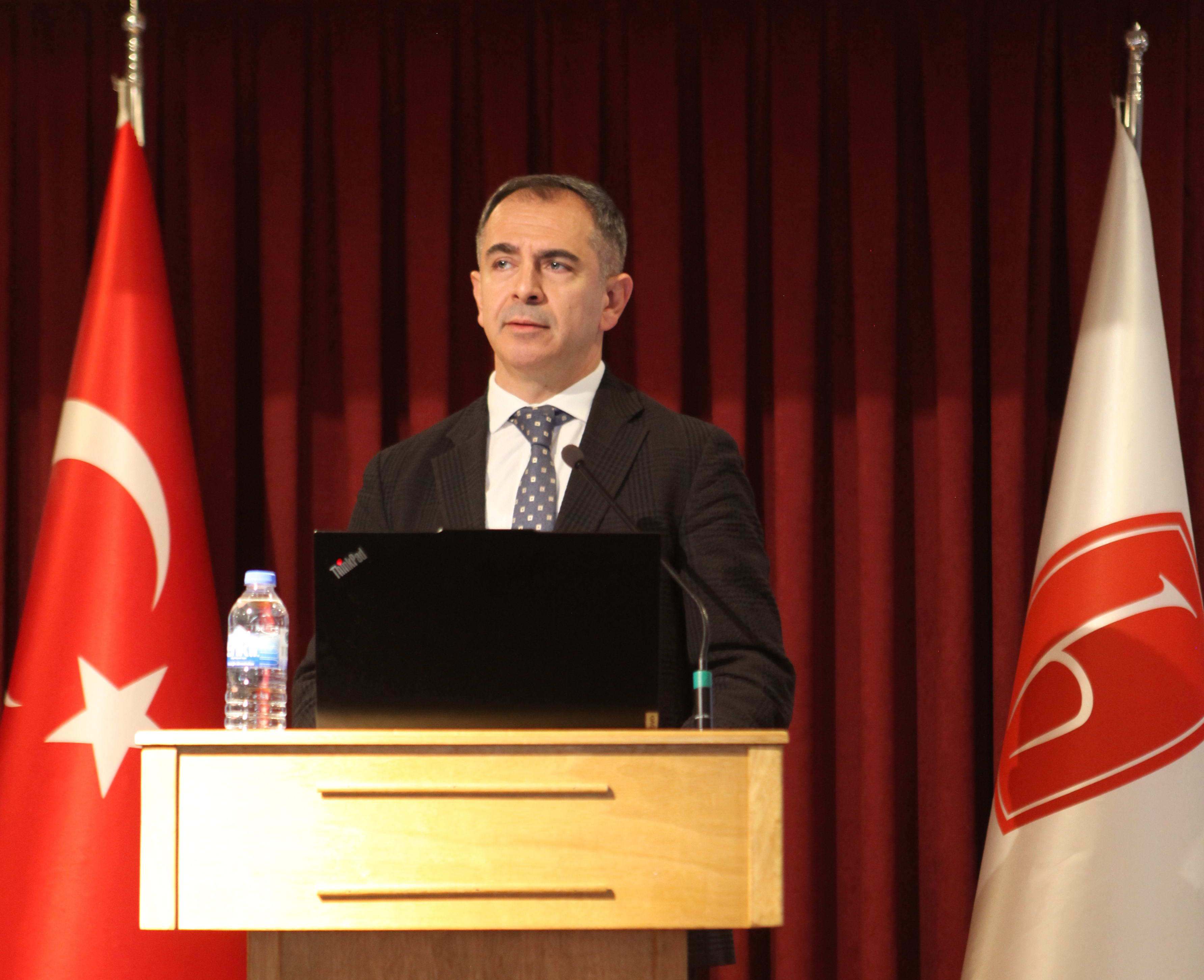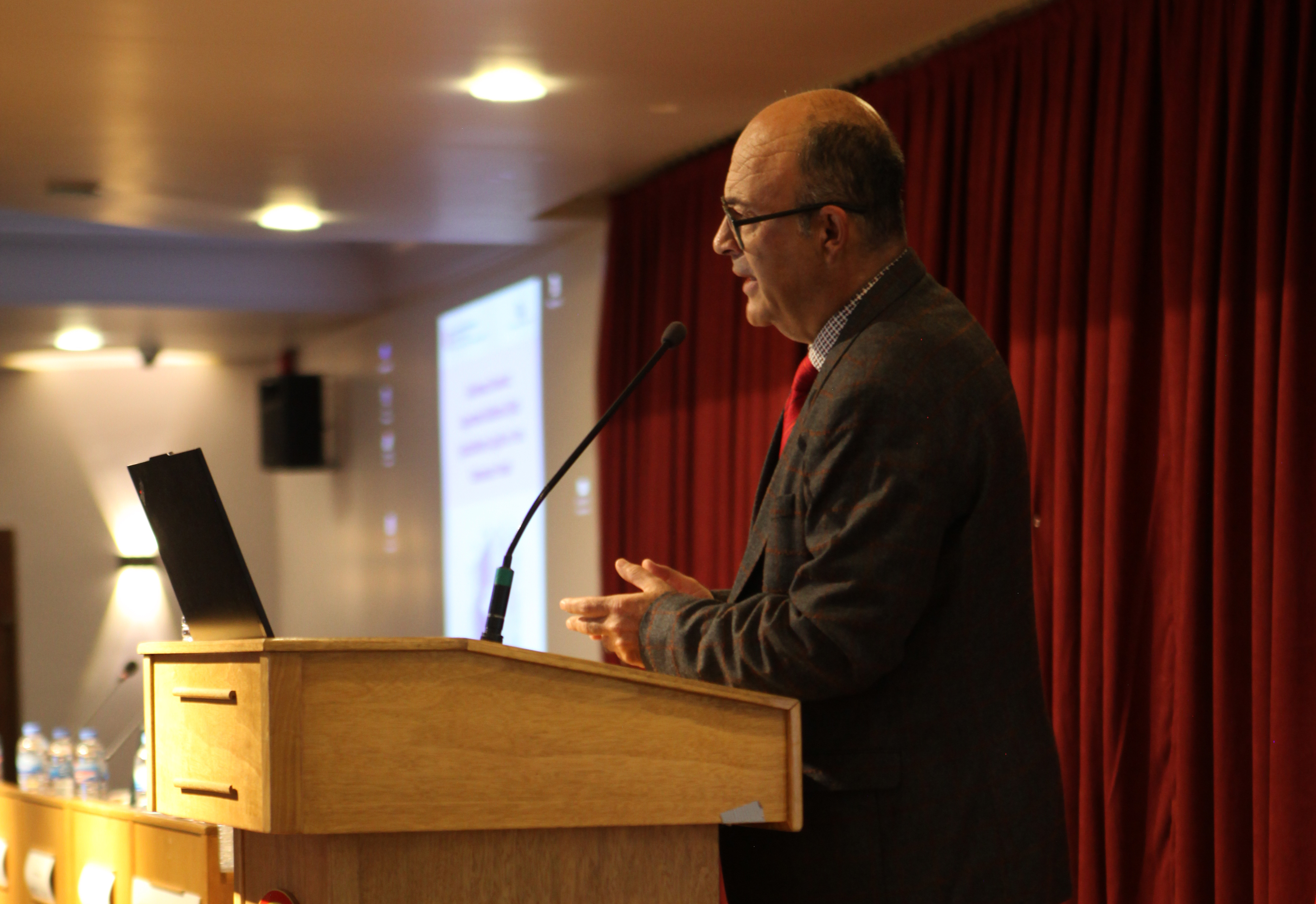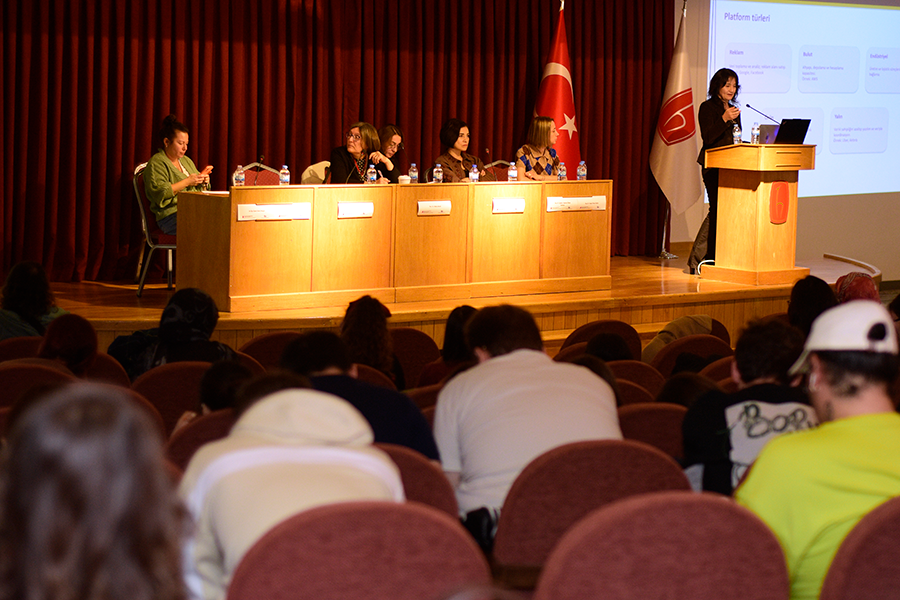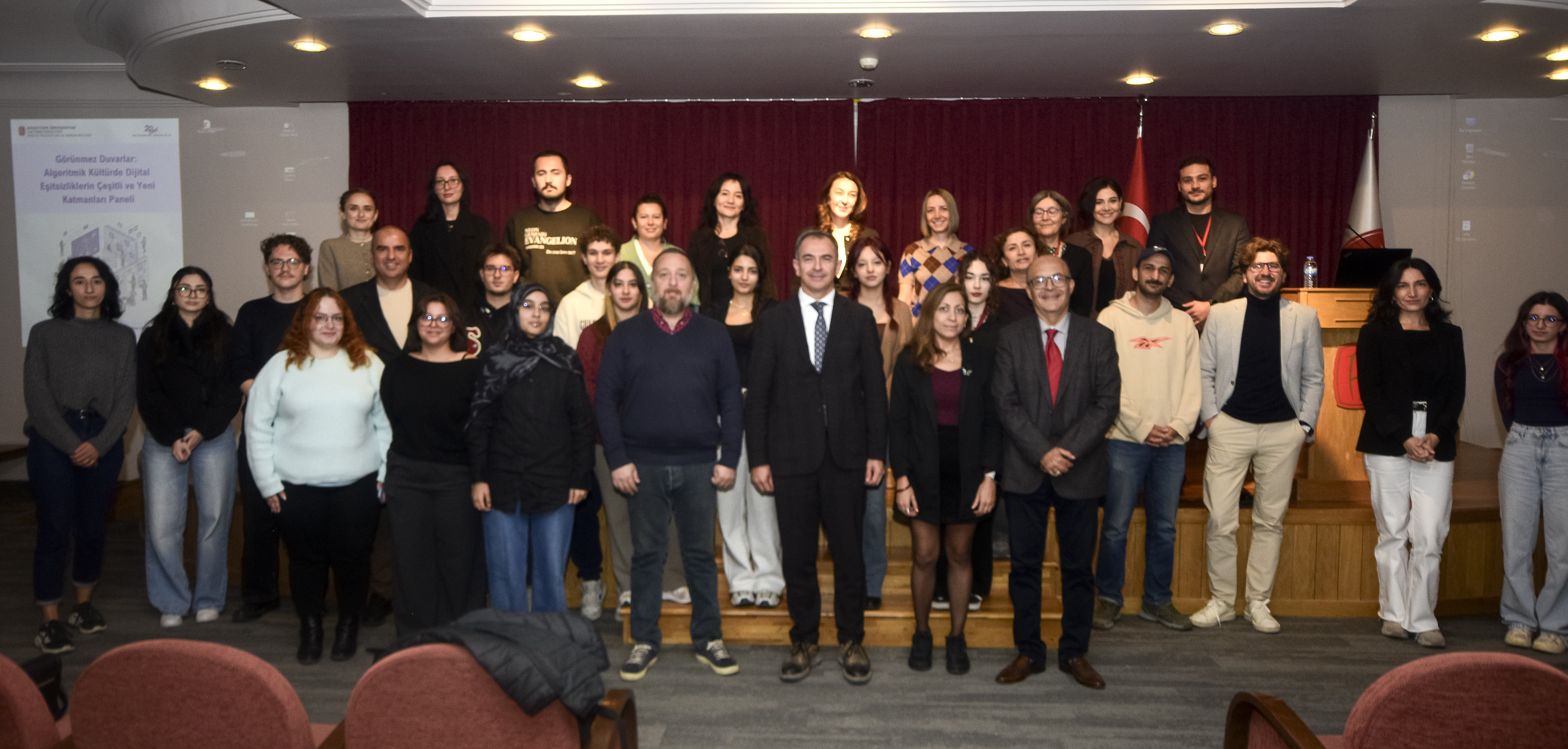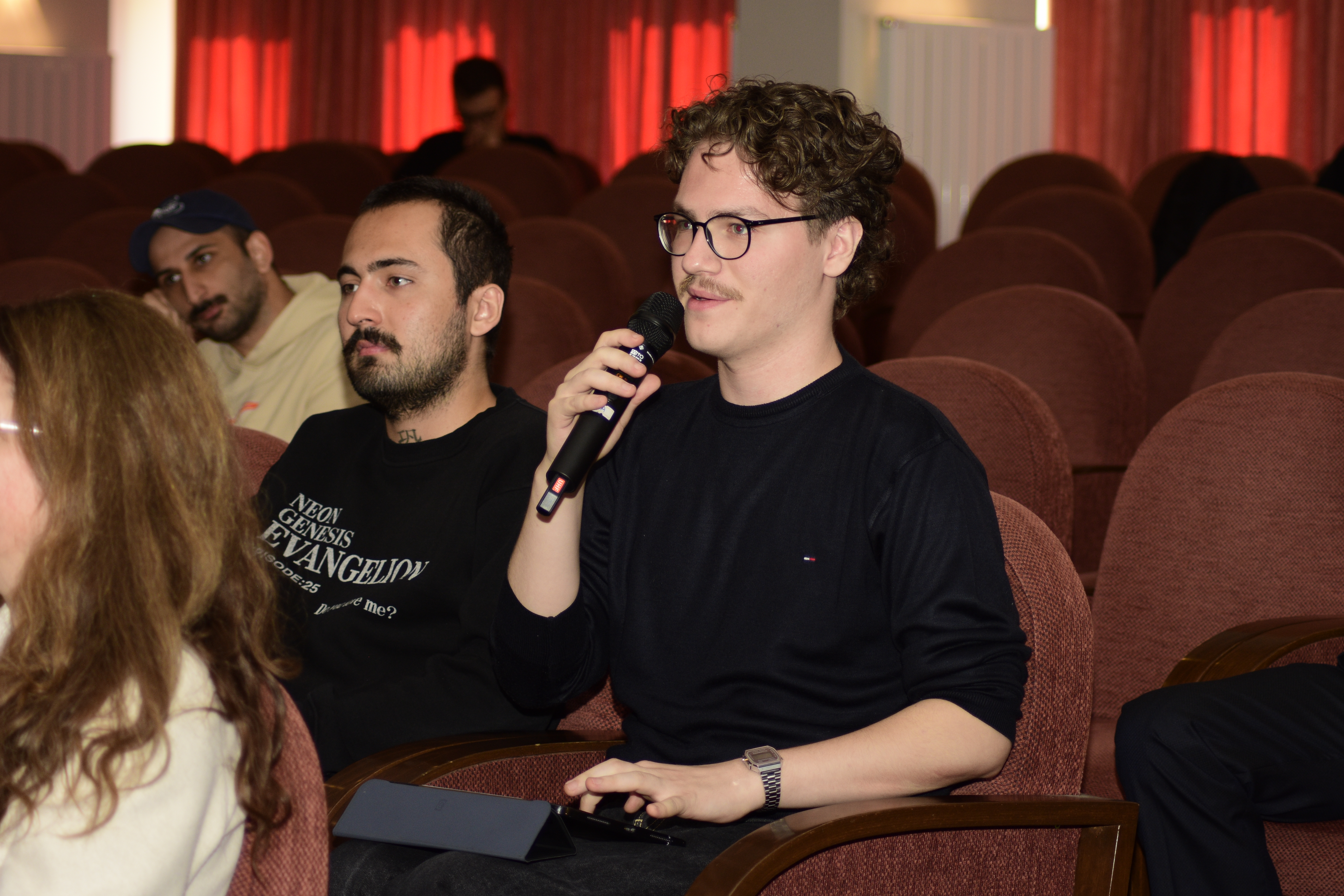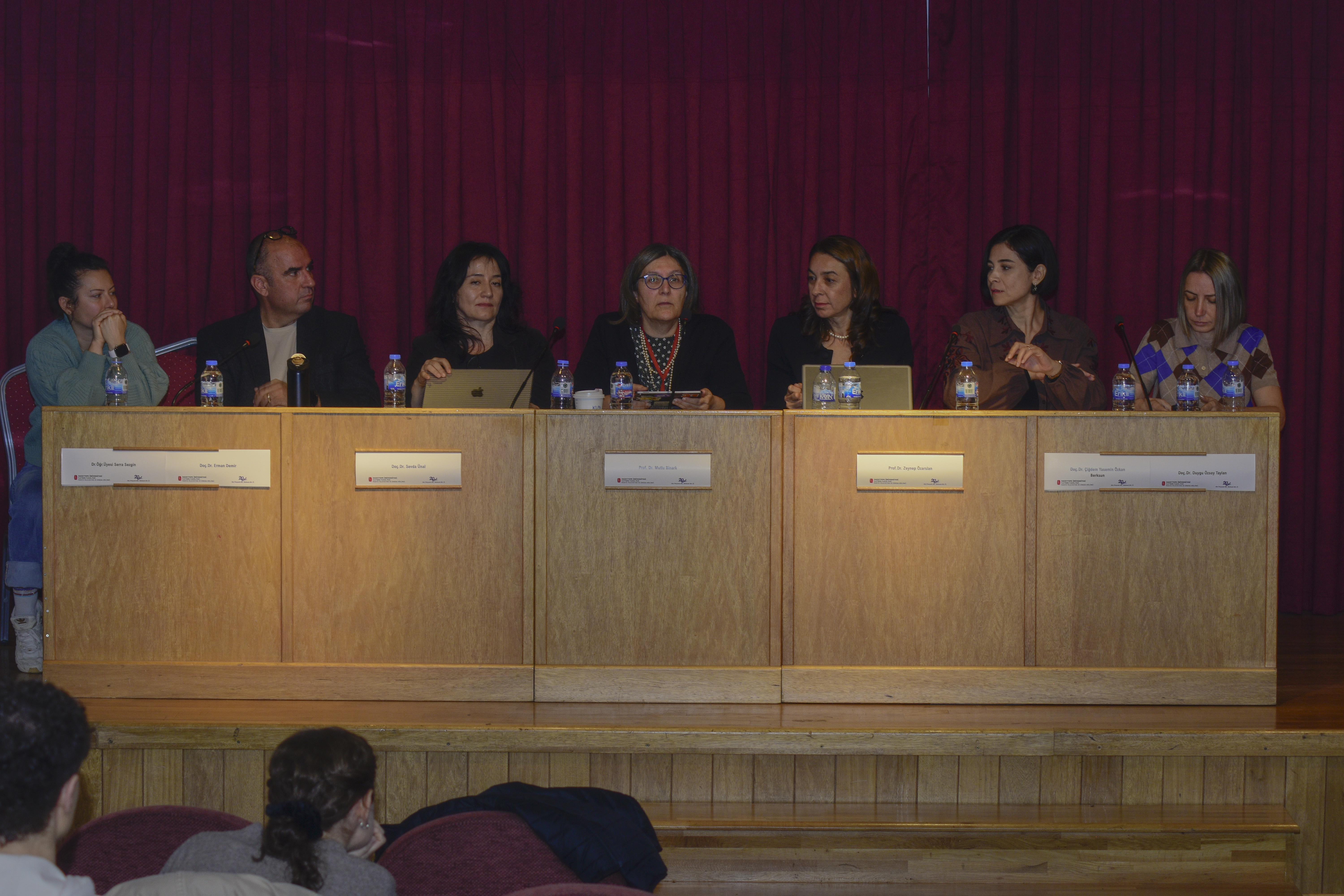
Hacettepe University Faculty of Communication is celebrating its 20th anniversary with a series of academic events it has organized. In this context, the panel titled “Invisible Walls: Diverse and New Layers of Digital Inequalities in Algorithmic Culture” took place on October 22, 2026. In the panel organized by the Faculty of Communication's Department of Radio, Television and Cinema, the inequalities brought about by digitalization, algorithmic culture, and the social impacts of artificial intelligence technologies were addressed. Commencing with the opening speeches of the Dean of the Faculty of Communication, Prof. Dr. Uğur Sadioğlu, and the Head of the Department of Radio, Television and Cinema, Prof. Dr. Serhat Kaymas, and held under the moderation of Prof. Dr. Mutlu Binark, the panel was attended by numerous academics and students.
Prof. Dr. Sadioğlu: “Our responsibility is to reveal the unseen side”
Delivering the opening speech of the panel, Dean of the Faculty of Communication Prof. Dr. Uğur Sadioğlu underlined that we are experiencing a new phase of digitalization today and stated that artificial intelligence plays a decisive role in this transformation. Drawing attention to the presence of a comprehensive algorithmic architecture behind the systems developed, information presented, data processed, and media content produced today, Prof. Dr. Sadioğlu stated that the actors steering the formation of this algorithmic architecture have reached a highly decisive position. Indicating in his speech that public actors are currently seeking regulatory solutions, Prof. Dr. Sadioğlu continued his remarks as follows:
“As academia, our responsibility is to reveal the unseen side with all its variables, to define new inequalities, and these must be addressed through their ethical dimensions, justice, and the dimension of digital due process.”
Another speaker at the opening of the panel, Head of the Department of Radio, Television and Cinema at Hacettepe University Prof. Dr. Serhat Kaymas, stated that the inequalities generated by algorithms and digital platform ecosystems are becoming increasingly visible. Expressing that antitrust investigations against digital platforms, legal proceedings faced by technology corporations, and digital security issues bring these inequalities into question, Kaymas emphasized that the developments in question enhance the timeliness and significance of the panel. Regarding the importance of the panel, organized by Prof. Dr. Mutlu Binark and Res. Asst. Toygar Ercan, Prof. Dr. Kaymas remarked, “It was already important, but when all these developments accumulate, it becomes far more significant.”
Prof. Dr. Binark: “Algorithms should not be seen merely as technical black boxes”
In her introductory remarks, moderator Prof. Dr. Mutlu Binark stated that digitalization has led to a radical transformation in the material and symbolic instruments of communication, expressing that this transformation possesses both epistemological and ontological dimensions. Reminding that digitalization initially emerged with a techno-optimistic discourse promising a border-transcending, participation-enhancing, and democratic public sphere, Binark emphasized that today these promises have been replaced by a structure operating through invisible algorithms and deepening inequalities. Following Binark's remarks stating, “Instead of regarding algorithms merely as technical black boxes, their cultural, economic, and political anatomies must be made visible,” the panel proceeded to the presentations of the panelists.
In the panel, Dr. Duygu Özsoy Taylan delivered her collaborative presentation titled “Information Ecologies in Old Age: Media Repertoires, Trust Architectures, and Infodemic Practices during the COVID-19 Process.” Assoc. Prof. Dr. Çiğdem Yasemin Özkan Berksun participated in the panel with her presentation titled “Disability from the Physical World to Digital Environments: An Examination in the Context of Representation, Access, and Usage Experiences”; Assoc. Prof. Dr. Sevda Ünal with “Platform Ecosystem in Turkey: The Debate on Digital Infrastructure and Data Sovereignty”; and Prof. Dr. Zeynep Özarslan with “Ethical Use of Artificial Intelligence in Scientific Research.” The presentation addressing artificial intelligence technologies, titled “Which Artificial Intelligence? Politics, Culture, and Global Power Asymmetries,” was delivered by Assoc. Prof. Dr. Erman Demir.
The panel concluded following the question-and-answer session.