The AED devices placed at 55 different locations across Hacettepe University to increase the chances of survival in cases of sudden cardiac arrest were introduced at a meeting.
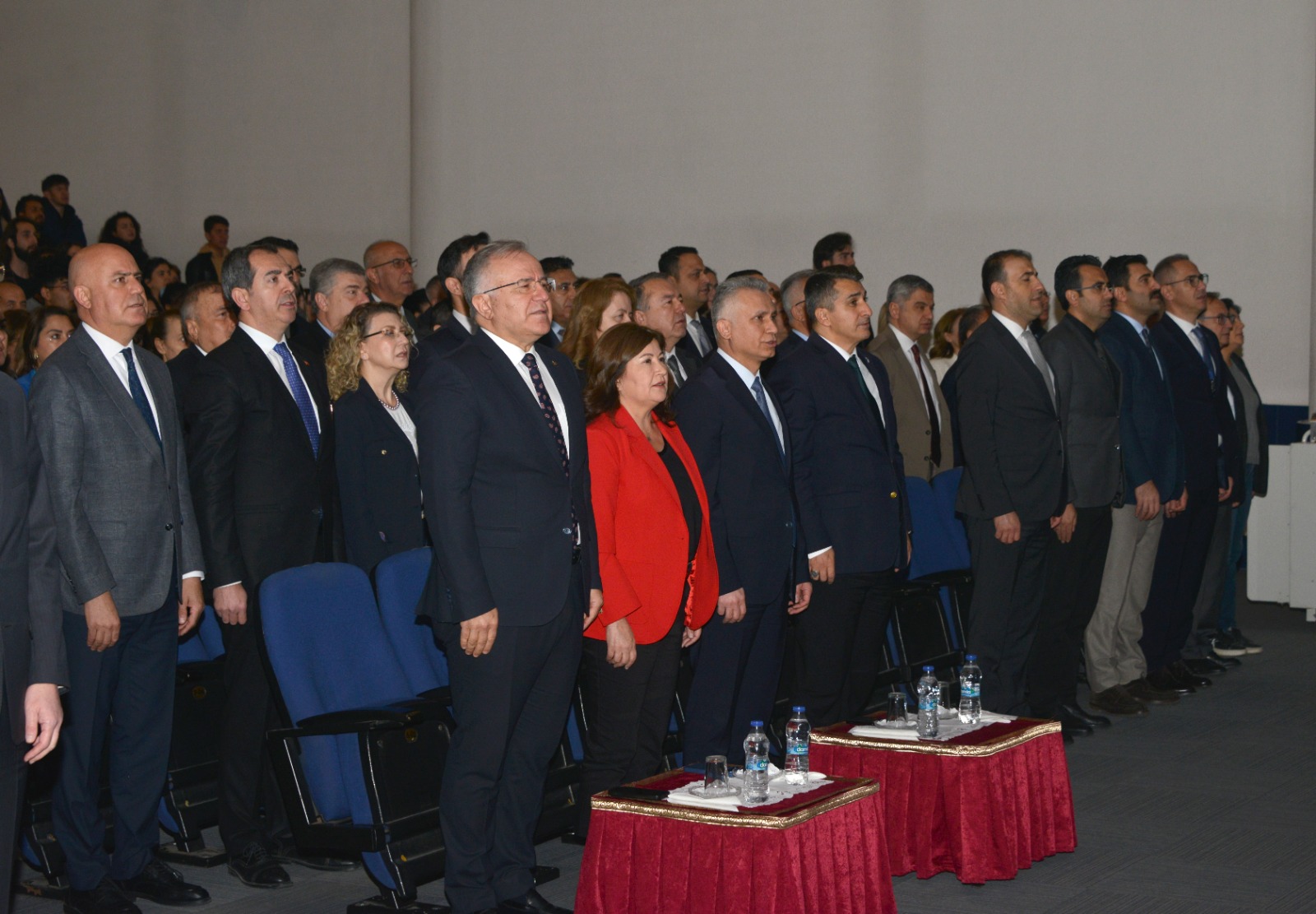
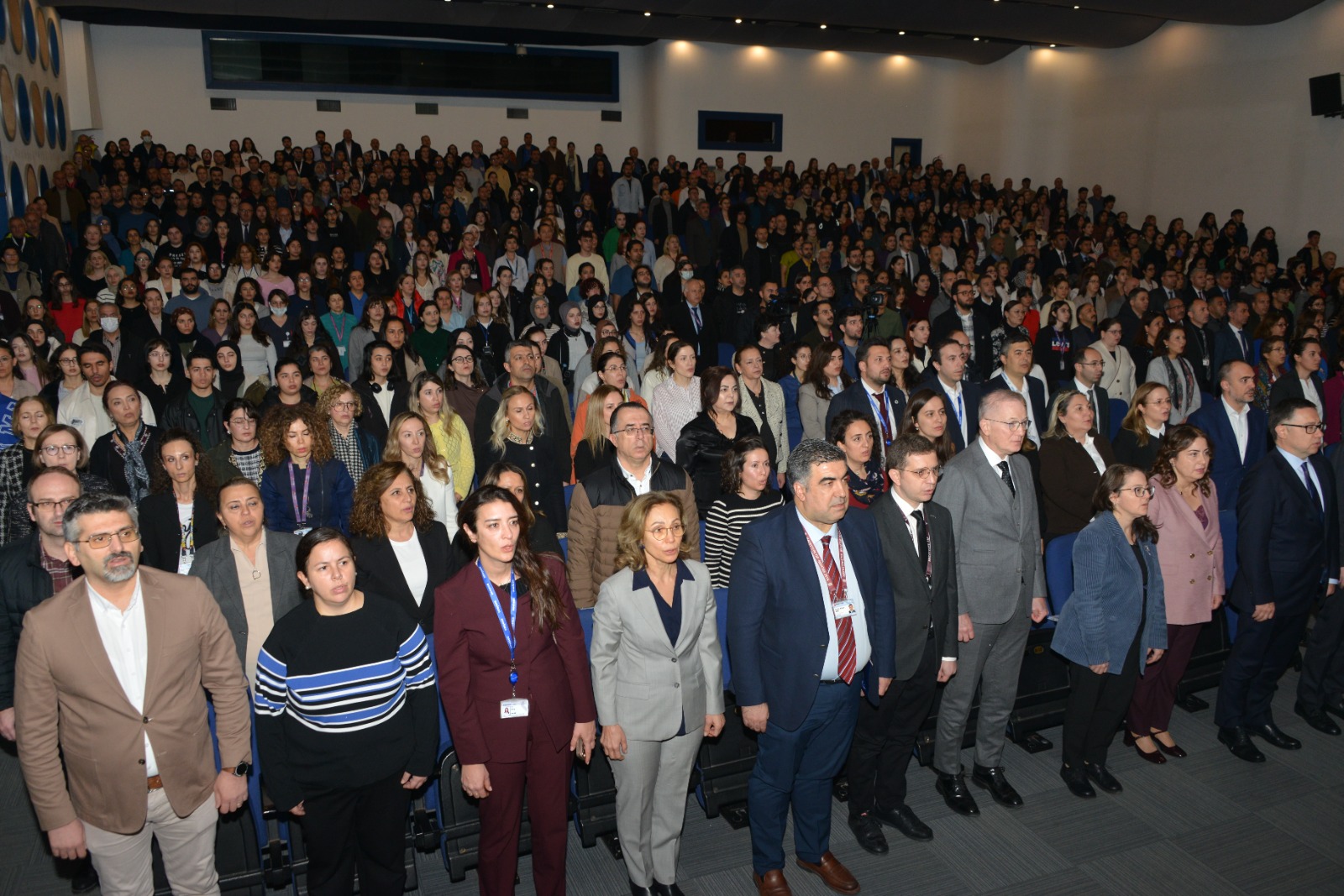
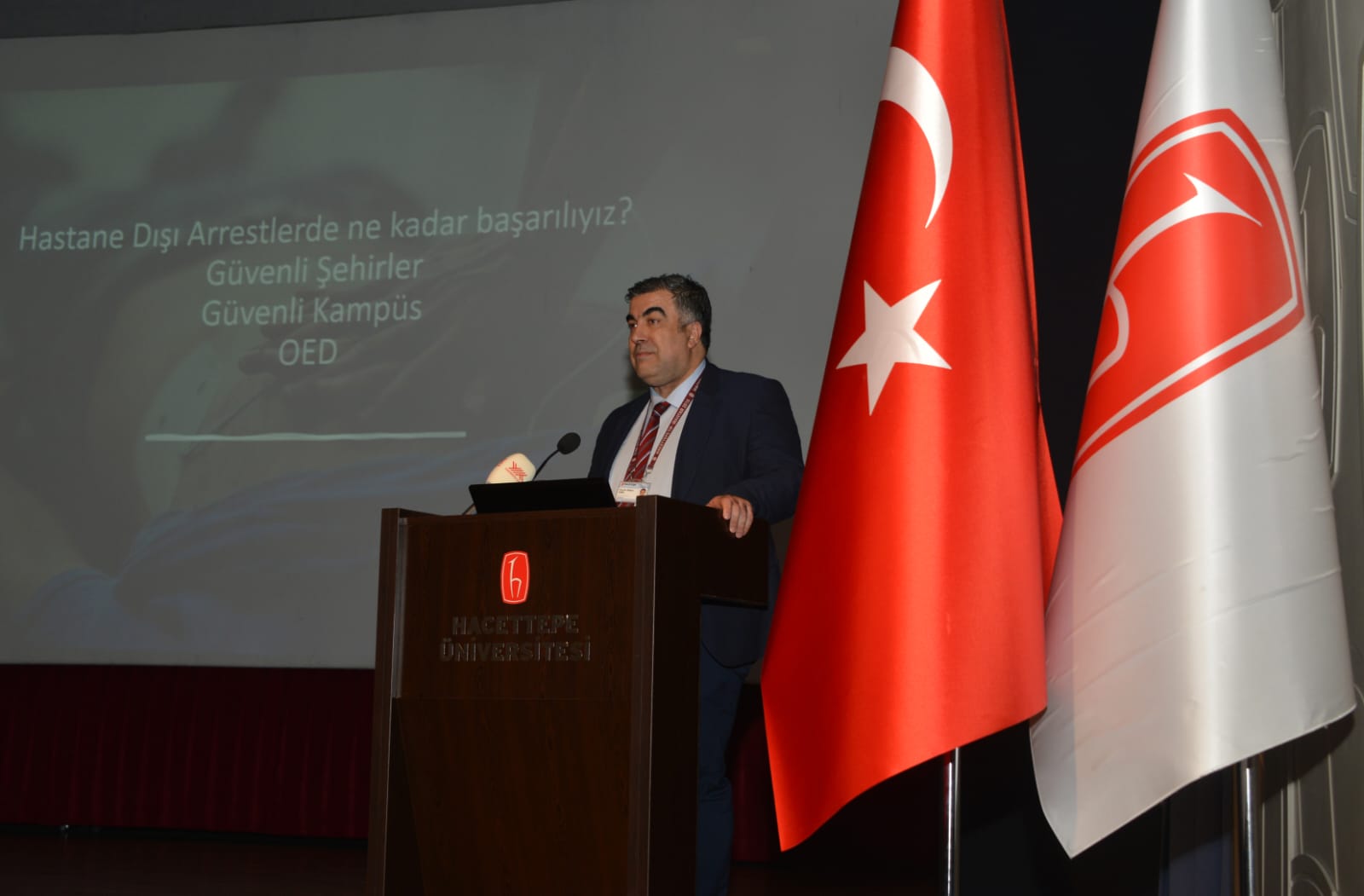
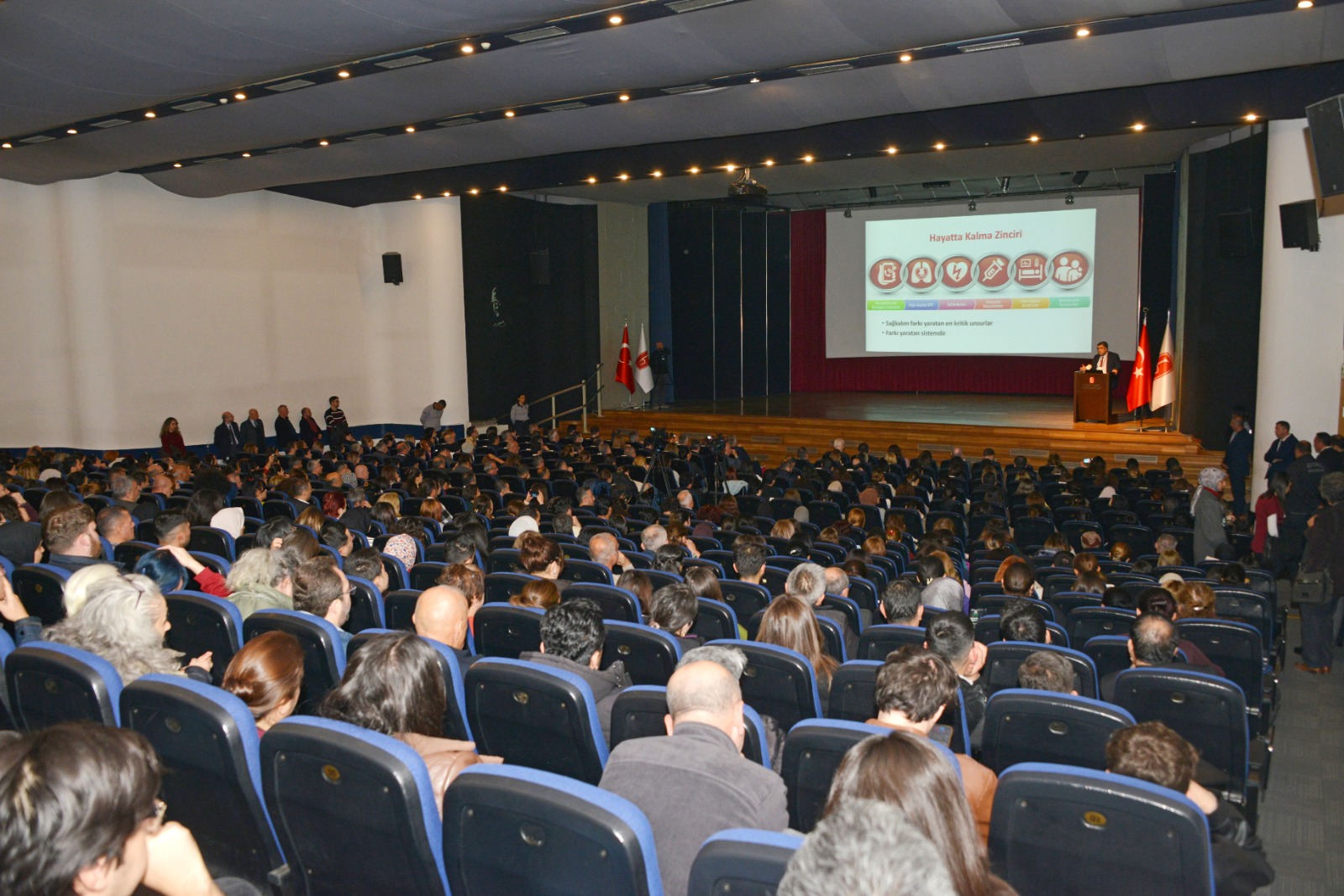
As part of the “Safe Campus Network” project at Hacettepe University, Automated External Defibrillator (AED) devices have been made accessible at 55 different points within our campuses. The AED, which increases the chance of survival during sudden cardiac arrests, was introduced at a meeting held on December 3, 2025. The event, organized in the M Hall of the Sıhhiye Campus, was attended by Hacettepe University Rector Prof. Dr. Mehmet Cahit Güran, Vice Rector Prof. Dr. Necla Özer, university administrators, ASELSAN Deputy General Managers Taha Yücel and Alaattin Dökmen, ASELSAN Research Collaborations Technology Transfer Manager Yusuf Erdem, President of the Turkish Health Institutes Prof. Dr. Ümit Kervan, administrators from the General Directorate of Emergency Health Services, and many members of the Hacettepe community.
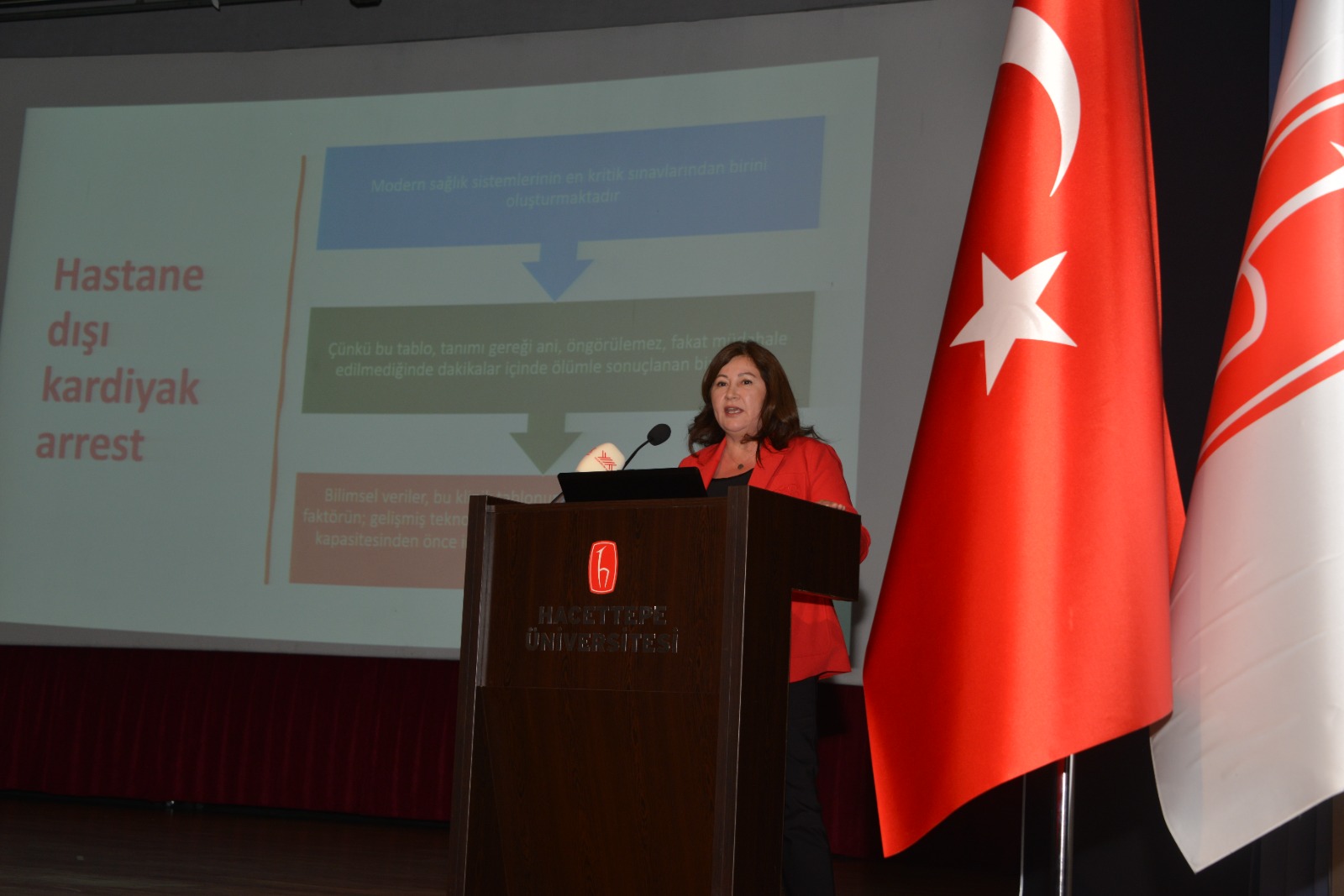
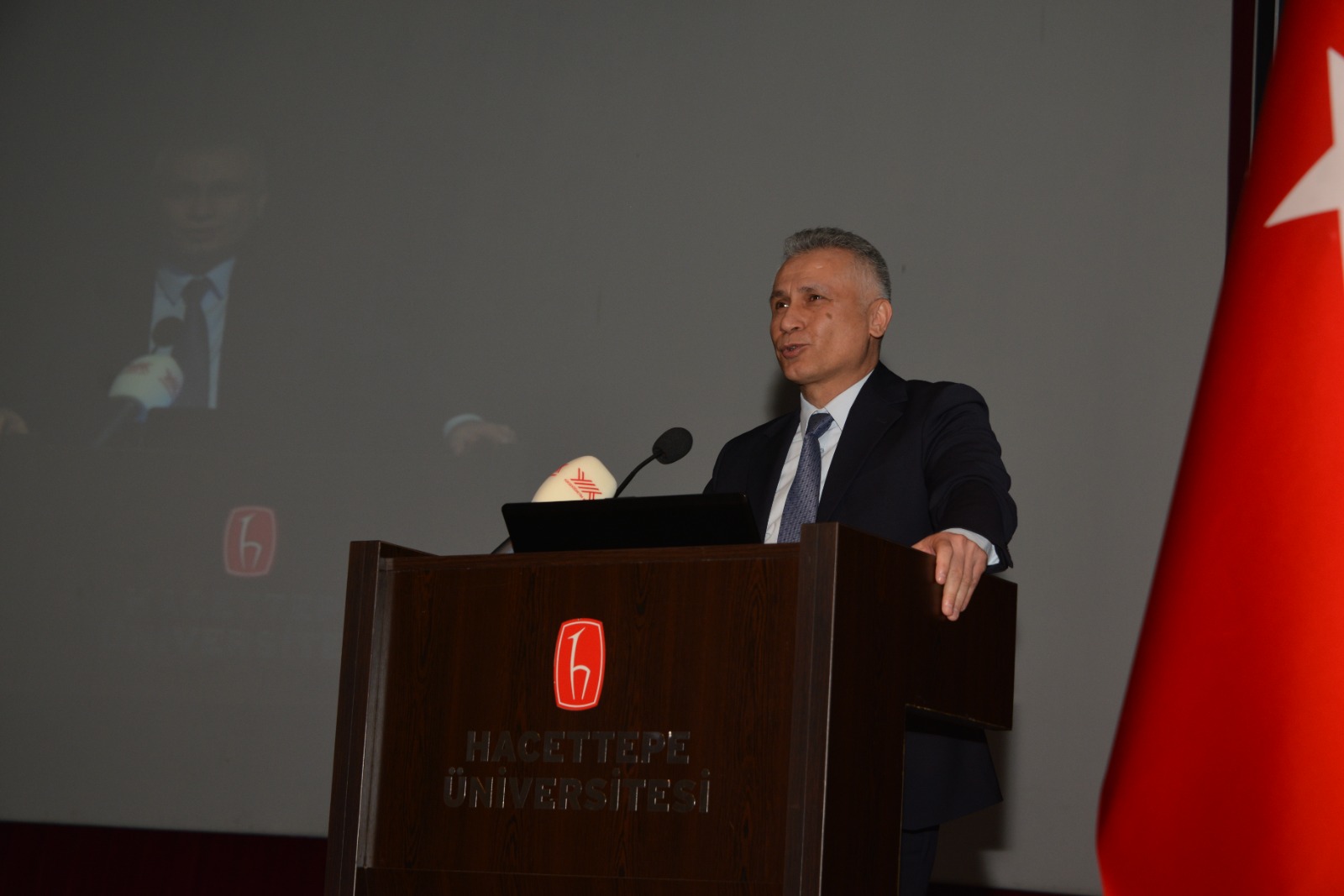
Delivering the opening speech, Prof. Dr. Necla Özer stated: “Sudden cardiac arrest is a condition we may encounter at home, at work, at school—anywhere in daily life. Each year, 100,000 people struggle with sudden cardiac arrest. Managing time is crucial at this point. Early intervention saves lives.”
ASELSAN Deputy General Manager Alaattin Dökmen also gave a speech during the program. Emphasizing the importance of support not only from ASELSAN engineers but also from physicians, Dökmen said: “We designed this device, but thanks to the valuable contributions of Hacettepe University faculty members, it became usable.” He also provided information on other medical devices produced at ASELSAN and thanked University Rector Prof. Dr. Mehmet Cahit Güran, as well as faculty members from the Departments of Cardiology and Radiology at Hacettepe University.
The introduction meeting continued with a detailed presentation on the device by Prof. Dr. Bülent Erbil, Chief Physician of Hacettepe University Adult Hospital. Erbil highlighted the importance of the AED with the following words: “We know that using an AED increases the chance of survival. For a safe campus and a safe city, we want AED devices to become widespread. The first four minutes after a sudden cardiac arrest are extremely critical. Each passing minute reduces the chance of survival by 10%. After the 10th minute, there is almost no chance left. Therefore, early intervention is vitally important.”
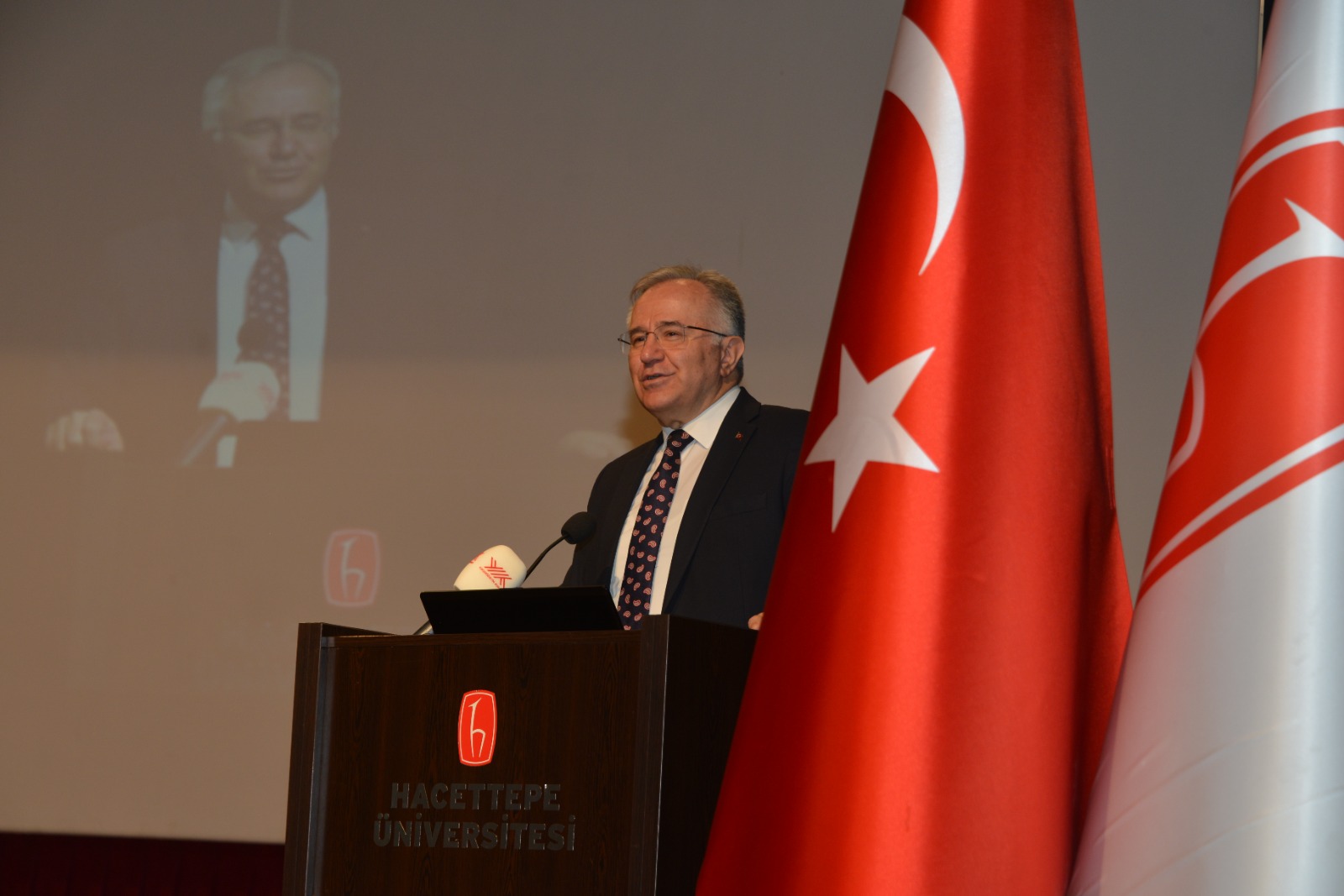
University Rector Prof. Dr. Mehmet Cahit Güran emphasized the importance of training in his speech, stating: “Nearly 200 of our staff members have received training on the AED device. As a university that leads in the field of health, we are aware of how important it is for all our students and staff to receive this training. Simply purchasing and placing these devices does not mean anything. They also need to be monitored. ASELSAN has developed a tracking system for this. They have a system that monitors where the device is and whether it is functioning. It is also very important for us to establish a system that can support this.”
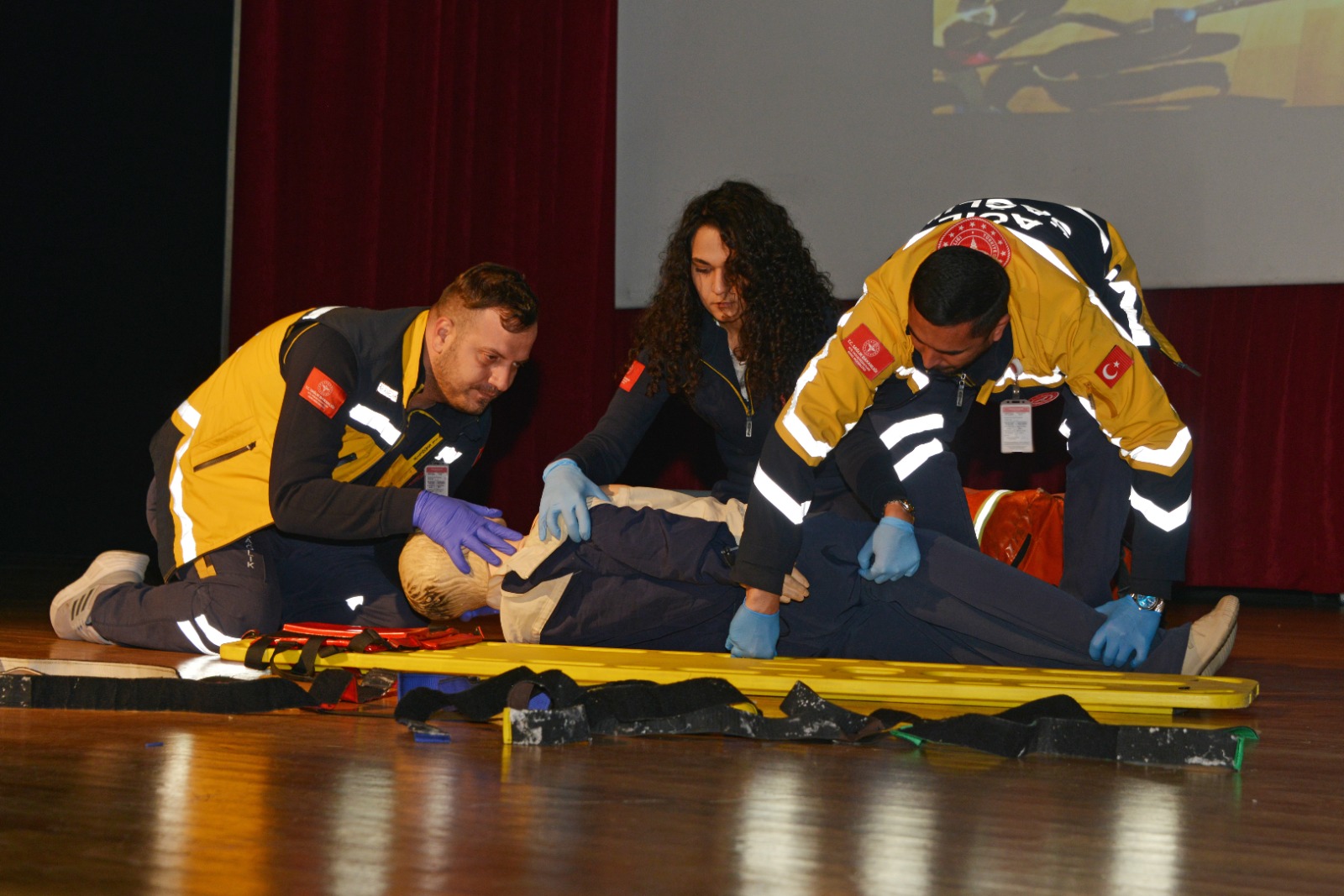
A simulation was also conducted for participants during the introduction event. In the scenario—performed by a staff member—someone suddenly collapses due to cardiac arrest and the AED device is applied step-by-step. This demonstration drew significant interest from the attendees.